

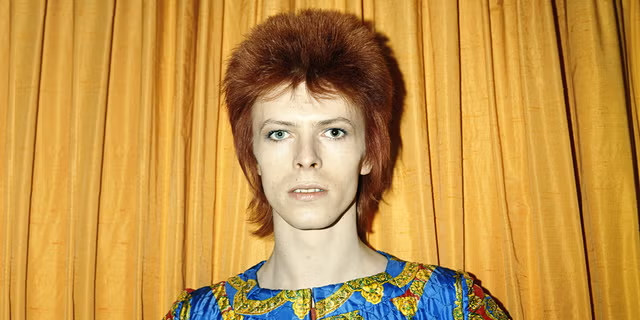

Discover the concerts, clubs and childhood home of David Bowie in London.
London influenced the singing star David Bowie, and he influenced London – turning it into a cultural capital. From suburban bedrooms where his teenage dreams took shape to the streets of Soho, where he reinvented himself time and again, the capital is home to places that tell the story of his extraordinary life.
On 10 January 2016, he died at the age of 69, following a battle with cancer. The day has since been marked with celebrations across the city, from film screenings to music nights. Whether you’re a devoted fan or a curious newcomer, here are some superb sights to explore the life and work of David Bowie in London.
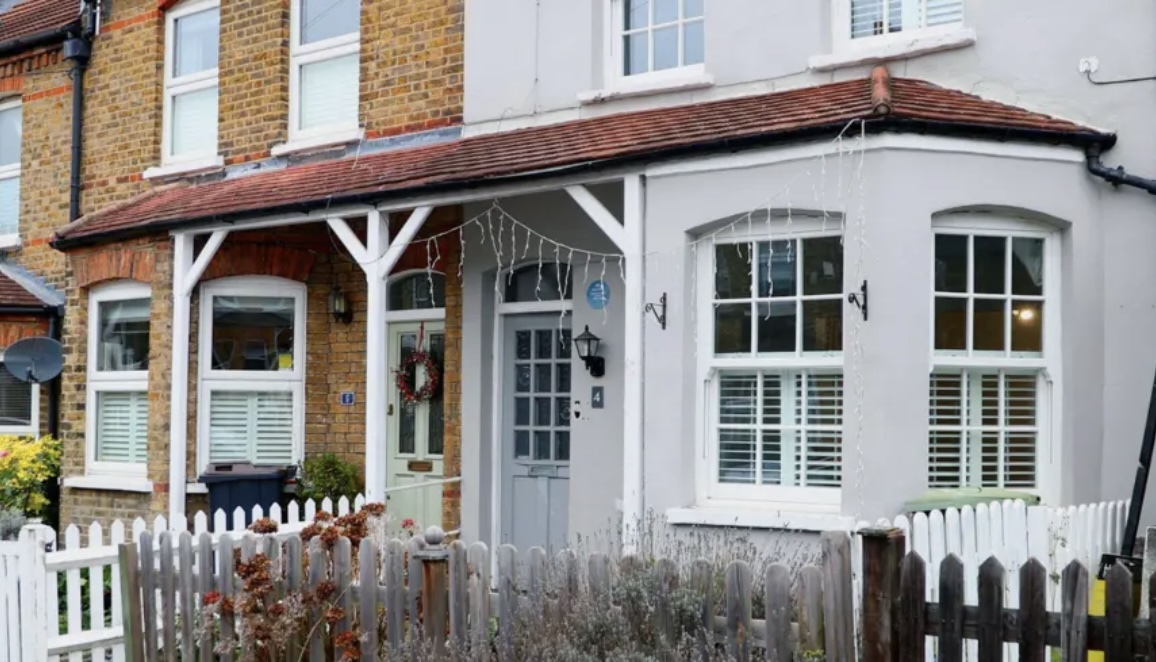
4 Plaistow Grove, Bromley
This modest two-up, two-down house in Bromley is where David Jones, who would later become David Bowie, spent his formative years. He lived here from the age of eight to 20, and developed the ambition and imagination that would later define his career. His small bedroom was filled with books, music and dreams of a starman. The home has been acquired by the Heritage of London Trust and is set to open as an immersive visitor experience in 2027.
39 Manchester Street, Marylebone
During the late 1960s, Bowie made some ch-ch-ch-changes. This period marked an important transition in his career, from the suburbs to central London. He lived at 39 Manchester Street with his then manager, David Pitt. He would visit the nearby Wallace Collection on Manchester Square and learn about paintings, sculpture and the history of art.

Beckenham Place Park
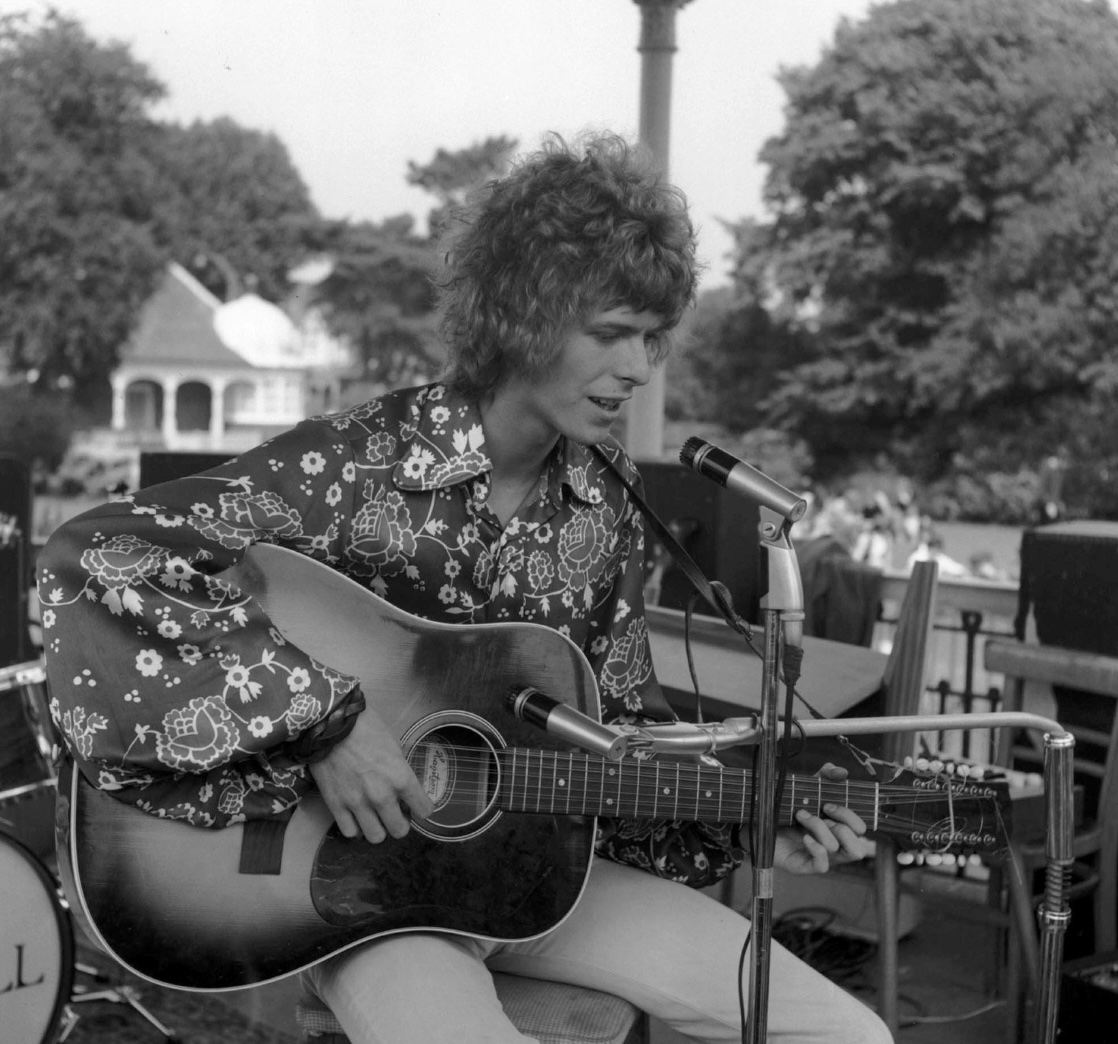
Is there Life on Mars? Well, there is in Beckenham Place Park. This is where Bowie began to find his audience. In 1969, he organised the Beckenham Free Festival, performing for local residents and young fans in an open-air concert. The festival has since become a key moment for early Bowie fans, and the park continues to celebrate his legacy with tribute events.
Brixton Underground Station
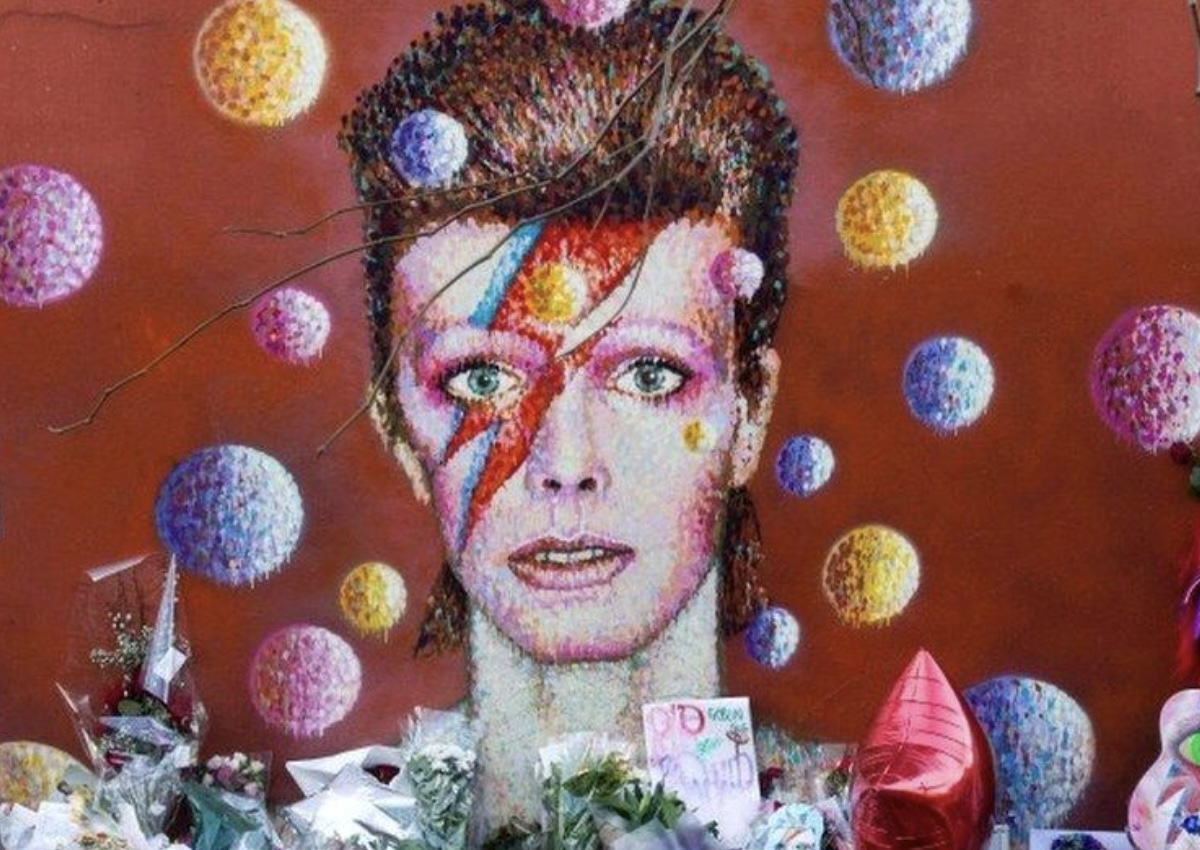
Before he was a superstar – or even a starman – Bowie lived at 40 Stansfield Road, Brixton. He remained in the home until the age of six, before moving to Bromley. Following his death in 2016, Brixton Underground Station became an unofficial shrine, as fans covered its exterior with lyrics, messages and photos. A permanent mural on the side of Morley’s department store is within walking distance, depicting the singer with his striking Ziggy lightning bolt.
Decca Studios, West Hampstead
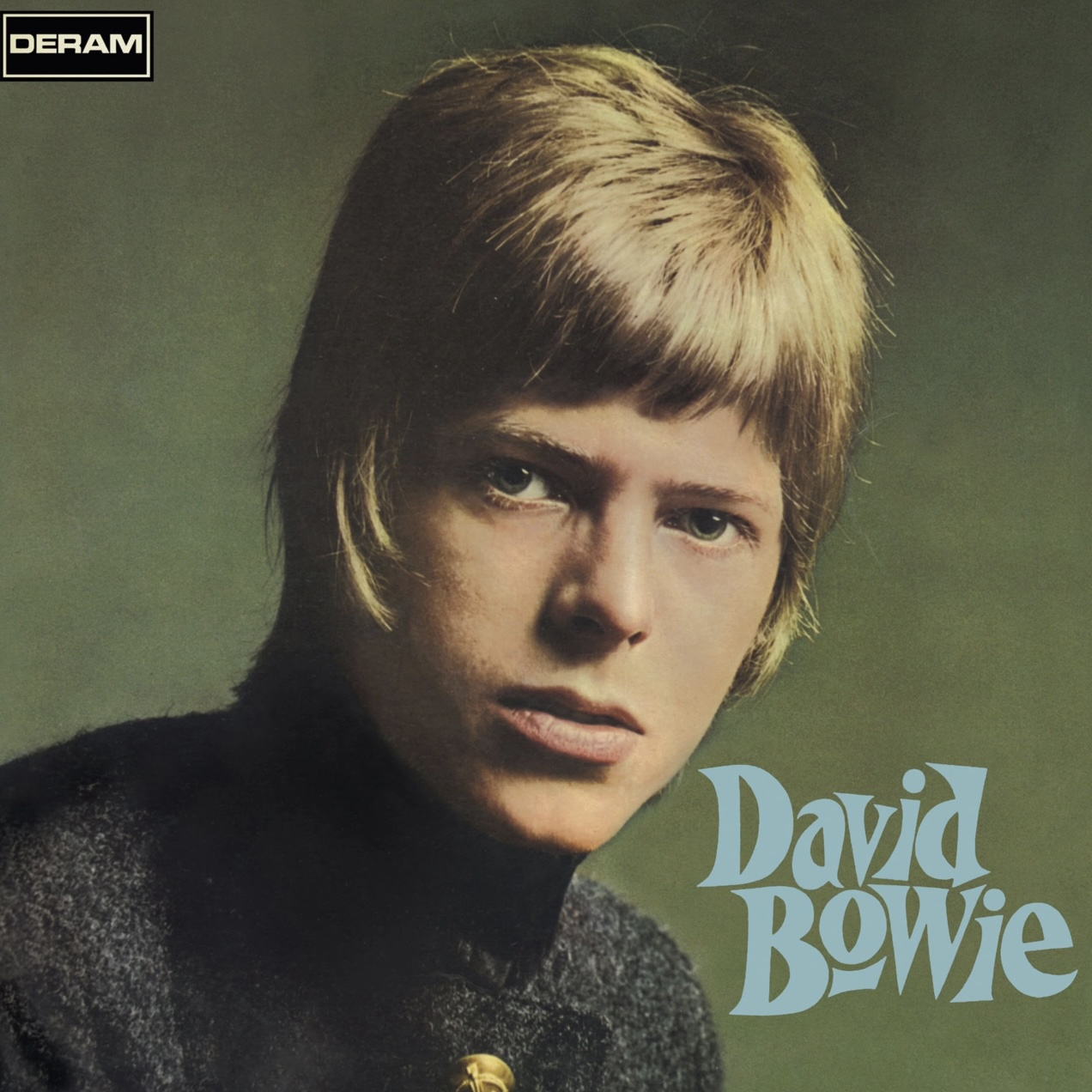
Decca had previously rejected The Beatles, and Bowie was determined not to be overlooked. At Decca Studios, Bowie recorded his self-titled debut album, David Bowie, between 1966 and 1967. This period marks his search for originality in both sound and style, and it was here that he recorded his first single, Liza Jane. The studio is located at 165 Broadhurst Gardens, West Hampstead.
Denmark Street, Soho
Often referred to as London’s Tin Pan Alley, Denmark Street has long been a hub for musicians. Bowie spent time here early in his career at recording studios and music shops. The street symbolises his transition from aspiring artist to professional musician. At La Gioconda Café, now a Flat Iron restaurant at number 9 Denmark Street, he would hang out as a teenager. His first agent was next door at number 7 Denmark Street.

Eventim Apollo, Hammersmith
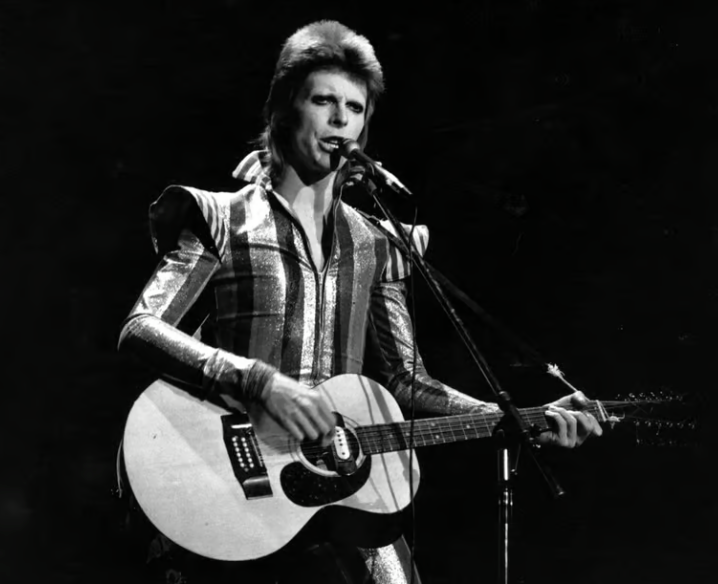
Bowie’s most famous London performance venue took place at the Eventim Apollo, previously the Hammersmith Odeon. In 1973, Ziggy played guitar, and it hosted the final Ziggy Stardust concert. At the height of his popularity, he stunned audiences by announcing the character’s retirement on stage. The performance has gone down in rock history, showing how a concert could become a dramatic moment.
Heddon Street, Soho
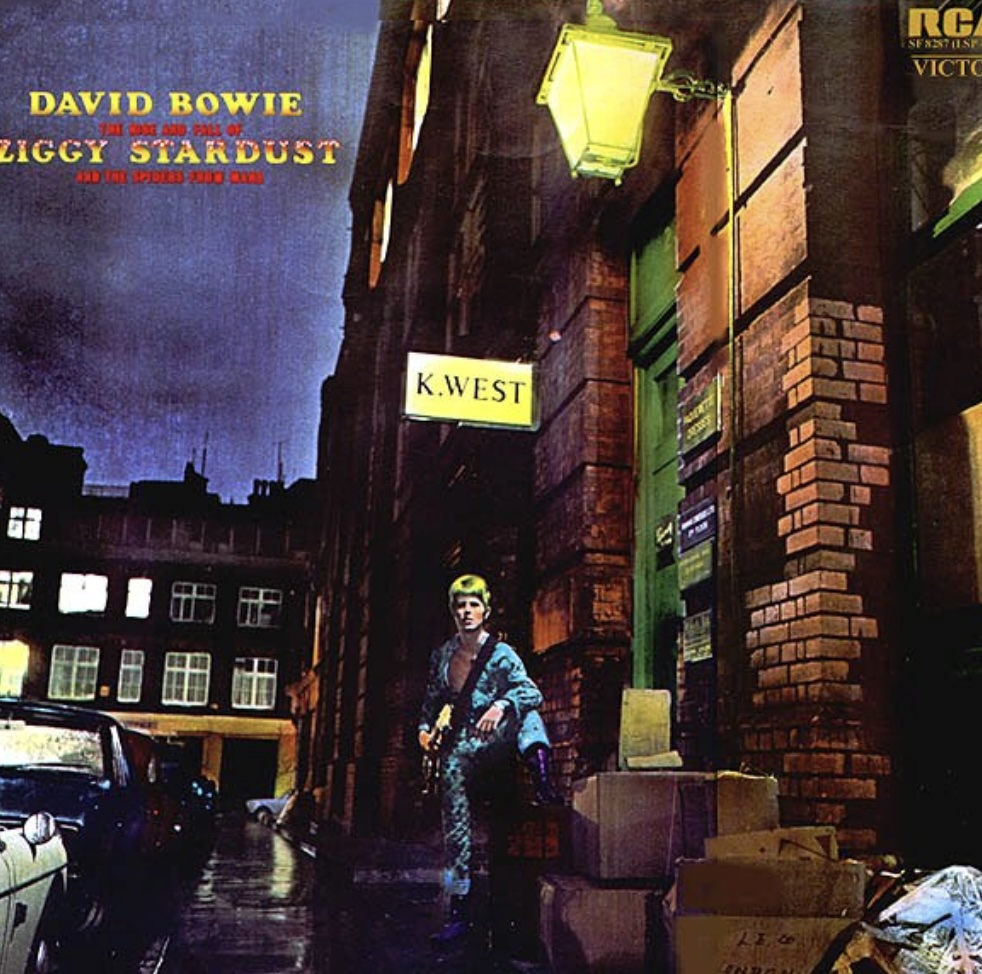
Just off Regent Street, Heddon Street is one of the most photographed Bowie locations in the world. In 1972, Bowie was captured as Ziggy Stardust, leaning against a brick wall beneath the K. West sign. The image showed the star as an androgynous alien. Today, a commemorative plaque marks the spot, and it is often surrounded by flowers and fan tributes.
Hotel Café Royal, Regent Street
We can all be heroes at Hotel Café Royal. The hotel was a favourite haunt of Bowie during the height of his fame, especially in the 1970s. The glamorous venue attracted actors, artists and musicians, and he was frequently spotted socialising here. On 3 July 1973, he hosted what was dubbed the Last Supper, in honour of Ziggy Stardust’s retirement. Today, there is a space called Ziggy’s, which pays tribute to the star.
The Marquee Club, Soho
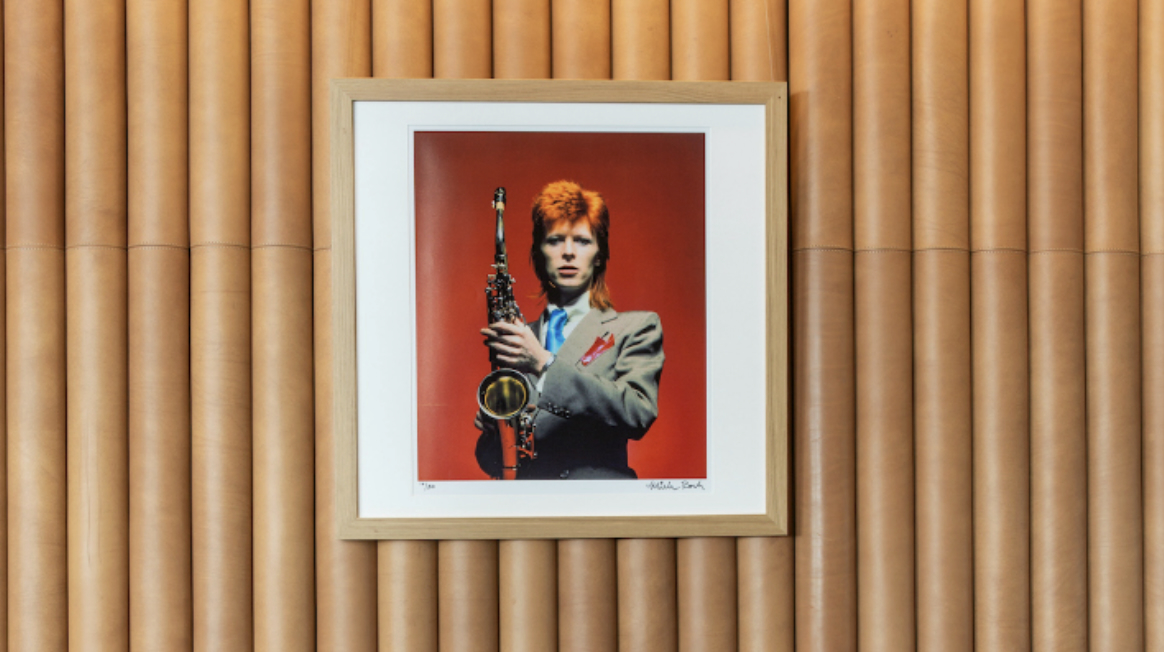
One of London’s most legendary live music venues, the Marquee Club played an important role in Bowie’s rise. In 1964, he first played at the venue, and continued to perform there during the 1960s. He used the club as a place to test new material and to experiment onstage. Although the original club has closed, it stood at 90 Wardour Street.
Trident Studios, Soho
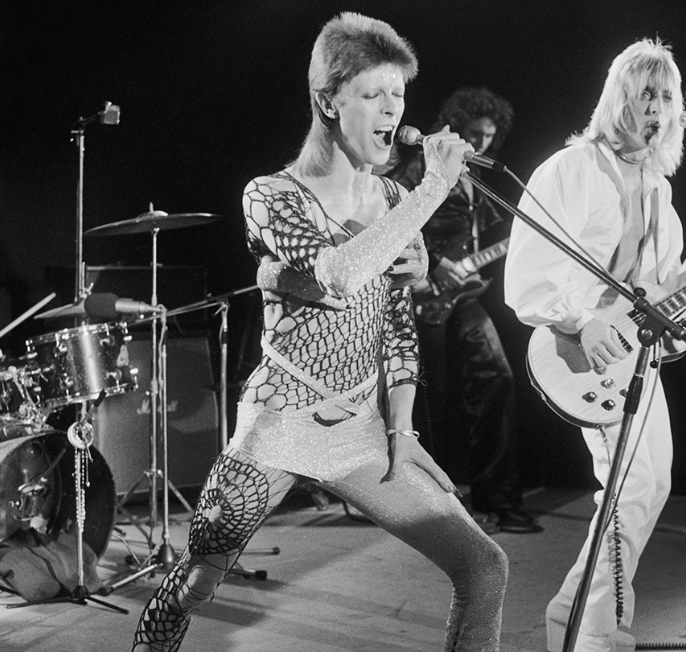
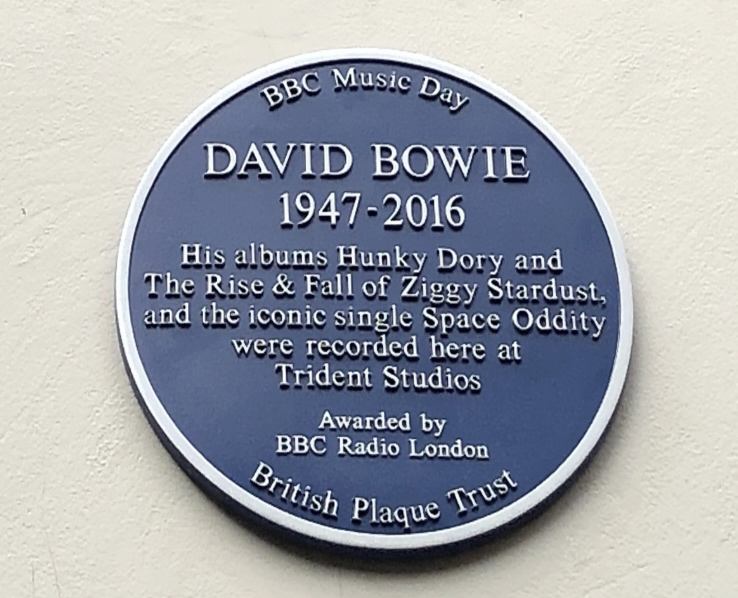
Located on St Anne’s Court, Soho, Trident Studios played a crucial role in Bowie’s musical evolution. It was here that he recorded some of his most influential work, including tracks for The Rise and Fall of Ziggy Stardust and the Spiders from Mars. The studio also attracted artists from Elton John to Queen. Though the studio no longer operates in its original form, a blue plaque points out the spot.
Victoria and Albert Museum
At the V&A you’ll be floating in the most peculiar way. The gallery has a strong relationship with Bowie. In 2013, the V&A in South Kensington hosted the David Bowie Is exhibition, which explored his music, fashion, performance and visual identity. Today, V&A East Storehouse in Stratford hosts a permanent exhibition dedicated to the singer, where you can explore costumes, lyrics, instruments and more.