



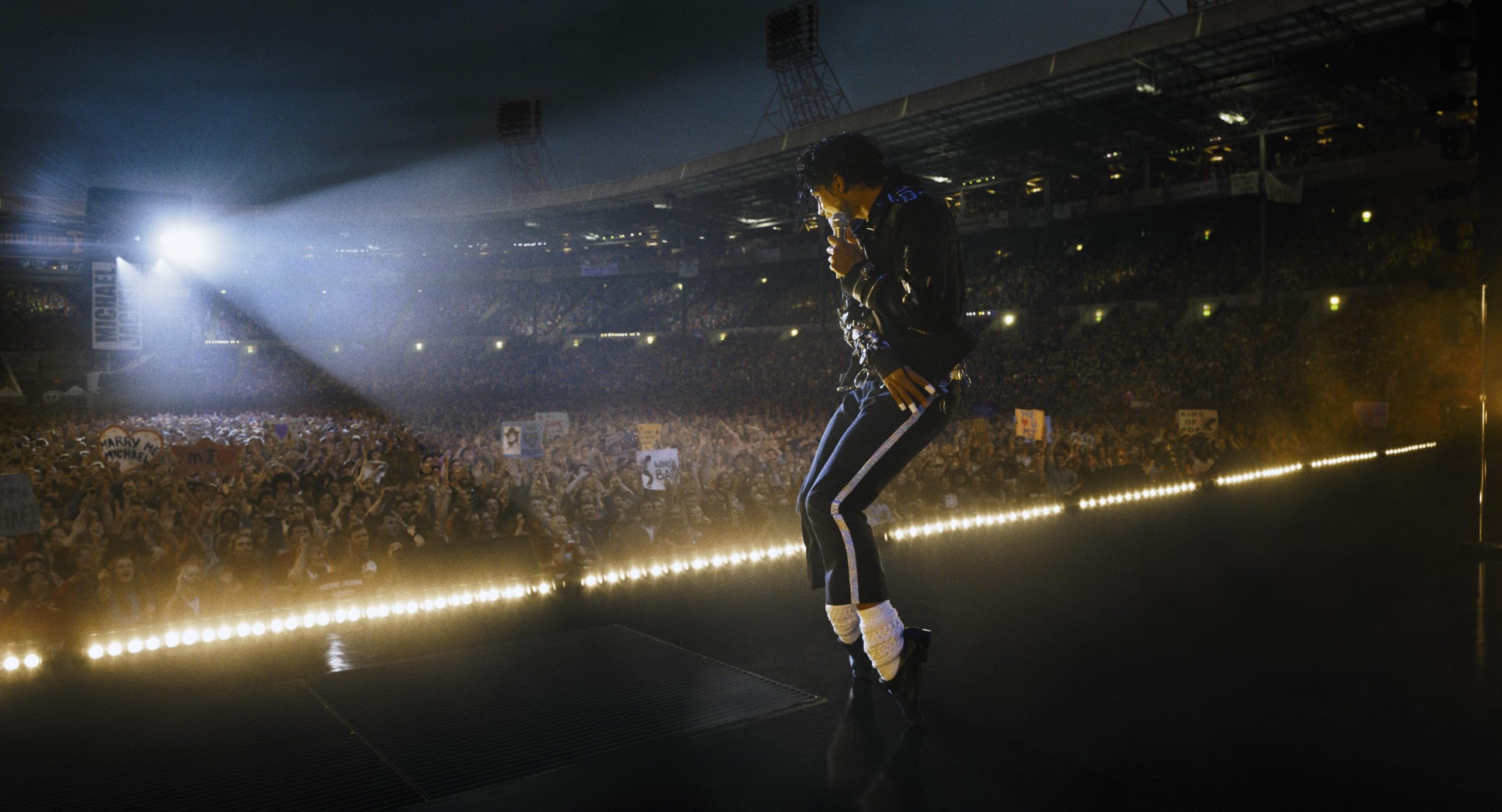

Michael Jackson finally gets a long-awaited biopic, but it’s not quite what you’d expect.
When the trailer for Michael dropped, it carried a kind of cultural weight that only a few artists can generate. For Michael Jackson fans, this wasn’t just a biopic announcement. It felt like a cinematic event years in the making.
That expectation is exactly what makes Antoine Fuqua’s Michael such a fascinating watch. It is not a bad film. In many ways, it is an entertaining and beautifully produced one. But for all its technical achievements and reverence for Jackson’s legacy, it rarely feels as revealing as it should. While documentaries have long explored fragments of his life, there has never been a full-scale narrative on the scale of Bohemian Rhapsody or Elvis. So expectations were high, but rather than offering a truly definitive portrait of the King of Pop, it delivers a carefully curated rise-to-fame story that ends just as the most complex chapters of his life begin.
The film follows Jackson from his childhood as a prodigy in the Jackson 5 to his ascent as a solo superstar. Early on, it effectively establishes the discipline, pressure and raw talent that shaped him. There is genuine momentum in these early scenes, and the film is at its strongest when showing the foundations of his artistry.
Yet the narrative makes a striking structural choice by stopping in the late 1980s, around the point where Jackson’s dominance as a solo artist had already been cemented. That means the film never really enters the decades that most defined his public image, for better or worse. What remains is a polished origin story, but not the full portrait many viewers may be expecting.
The pacing feels rushed, not because of energy, but because everything is concealed. Key emotional angles, relationships, and conflicts are introduced and quickly bypassed, giving the impression that the film is moving through Michael Jackson’s life rather than exploring it. While the cinematography leans towards a controlled recreation of music videos and live shows rather than rawness.
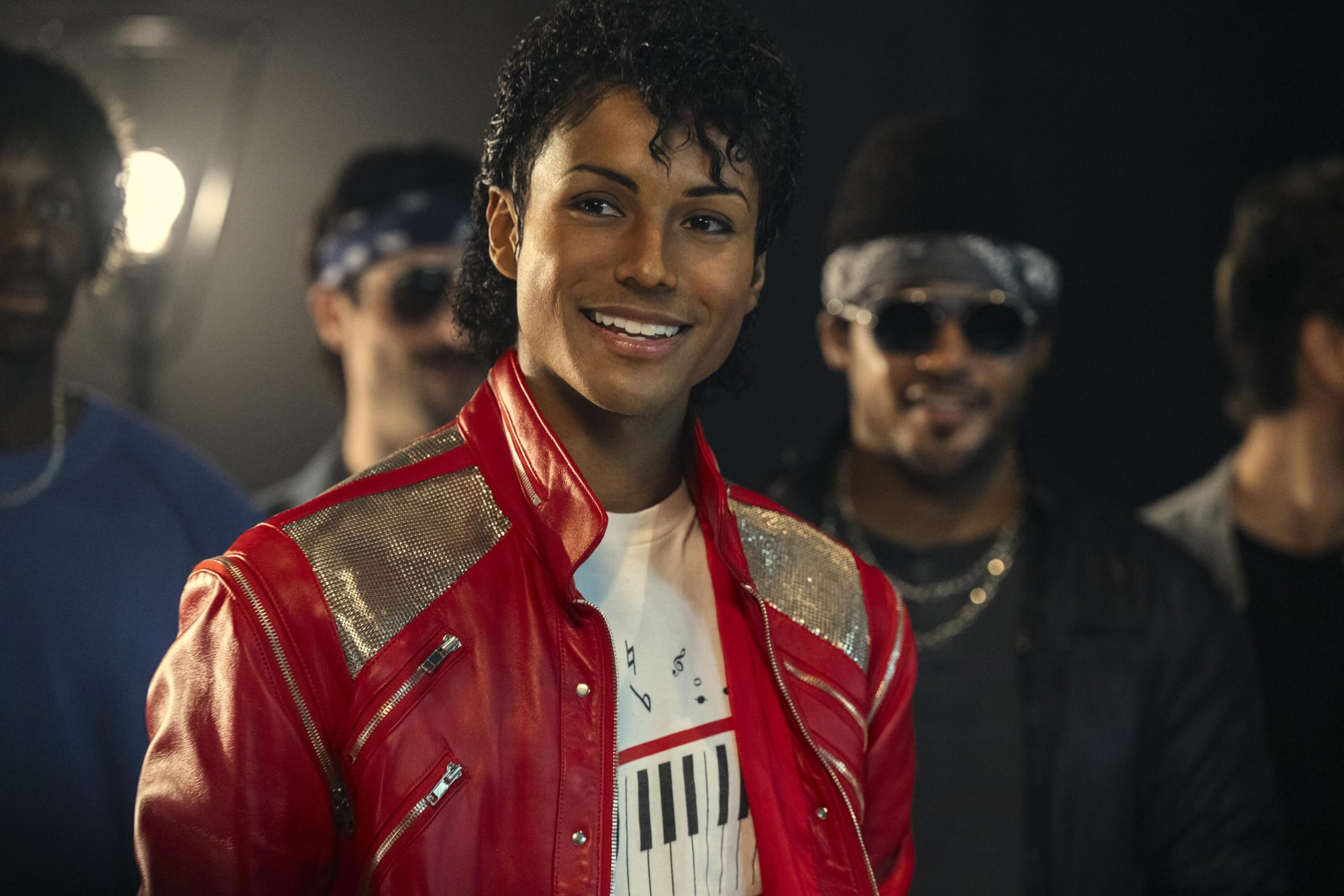
Jaafar Jackson steps into the role of his real-life uncle with physical accuracy. His posture, movement, and choreography mimic Michael Jackson’s mannerisms with precision, and several performance sequences are recreated with meticulous attention to detail. Still, something remains elusive. Even moments that reference the moonwalk, the lean, or the jacket flip do not quite deliver that “goosebumps” sensation. That is less a criticism of Jaafar Jackson than a reminder of how impossible Michael Jackson’s stage presence was to replicate.
Among the supporting cast, Colman Domingo is a standout as Joseph Jackson. His performance is sharp, unsettling and emotionally effective, capturing the oppressive force that loomed over Michael’s early life. It is one of the few elements in the film that feels genuinely layered. Elsewhere, characters such as John Branca (played by Miles Teller) and Bill Bray (played by KeiLyn Durrel Jones) add texture, but relationships that appear crucial to Jackson’s life are often introduced only briefly before the film moves on.
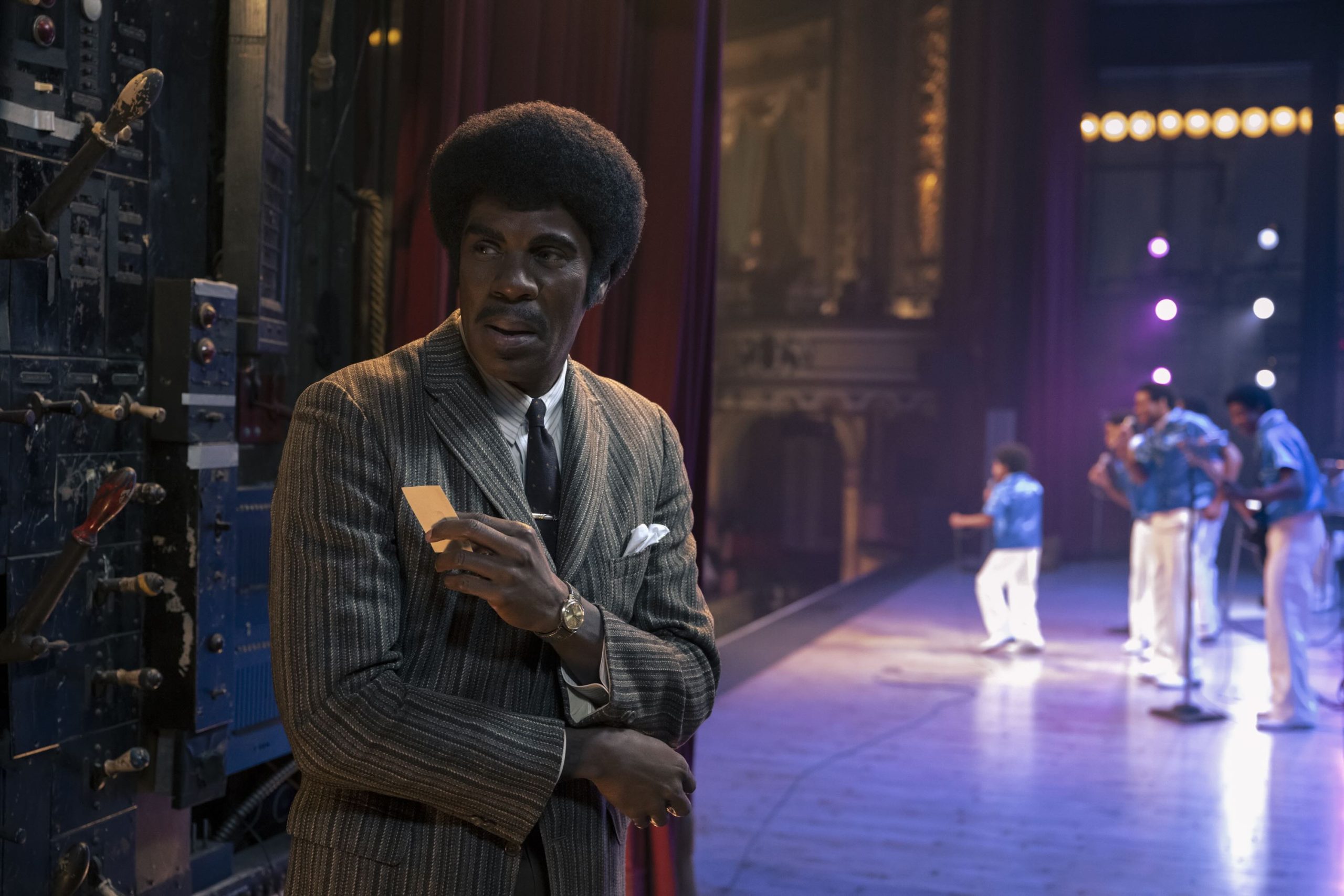
That is ultimately the film’s biggest weakness. The narrative has momentum, but rarely digs deep, which is surprising given Fuqua’s work on Training Day and Emancipation. Key emotional beats, creative partnerships and personal conflicts are touched on rather than explored. Michael’s relationship with Quincy Jones is acknowledged, but the brilliance and innovation behind that collaboration remain frustratingly surface-level. Similarly, Jackson’s bond with his brothers feels underdeveloped, despite how central it was to his identity. As a result, the film avoids deeper exploration of controversies, media scrutiny, and internal conflict.
The same applies to the film’s broader themes. Jackson’s role in breaking racial barriers in popular music is present, but not examined with the force it deserves. His changing appearance is also only lightly addressed, missing the chance to add nuance and clarity to one of the most misunderstood parts of his life. The involvement of the Michael Jackson Estate is clearly felt throughout, with the story favouring celebration over contradiction and performance over psychology.
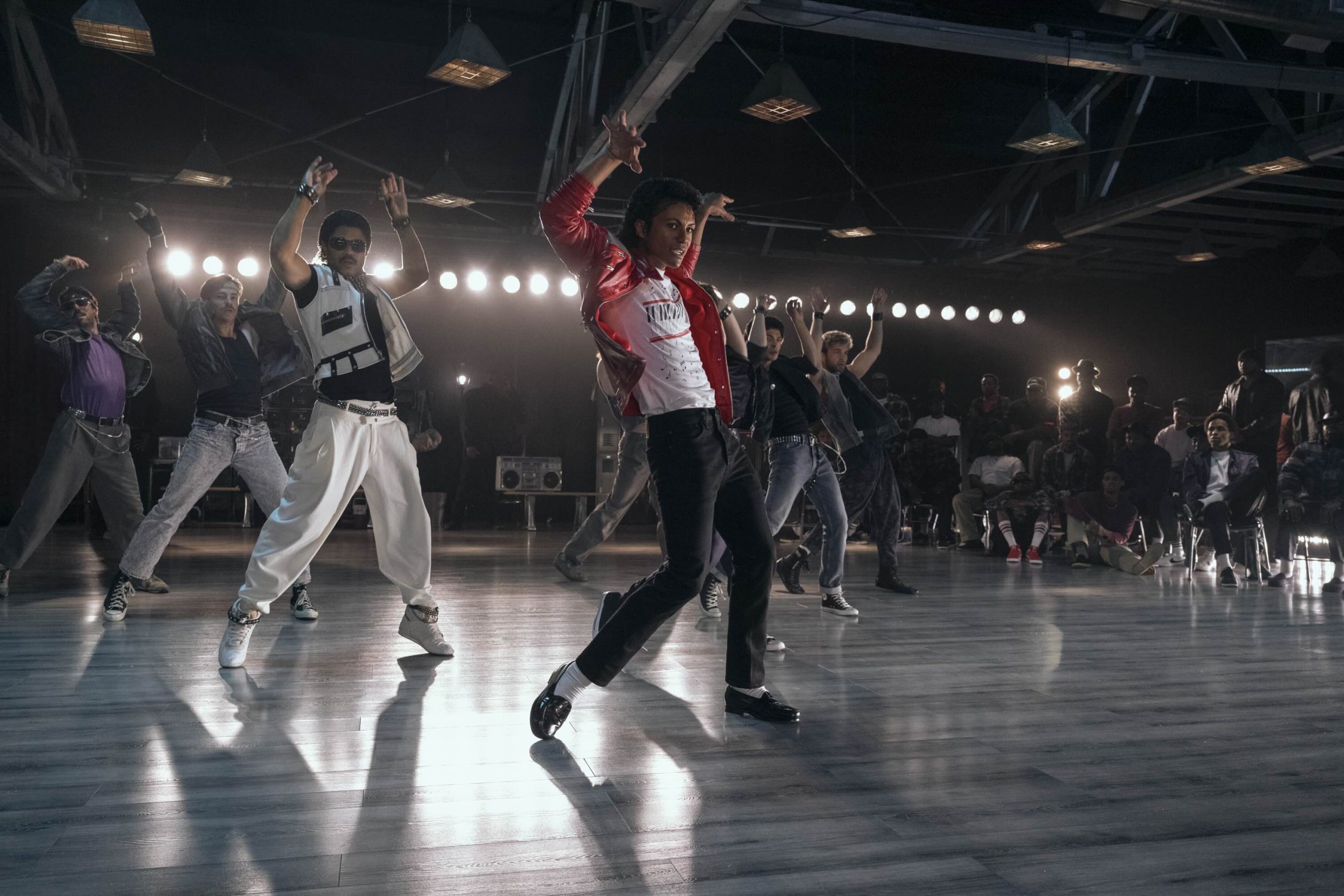
Visually, Michael is glossy, sleek and highly controlled. At times, it feels closer to a prestige concert film than a probing biopic. The songs arrive as showcase moments, rather than as tools to deepen character or emotional insight. The film tells us why Jackson mattered, but it rarely gets close enough to show us who he was beneath the spectacle.
For casual viewers, that may be enough. As a big-screen tribute to the music, it is engaging and often visually striking. But for those hoping for a richer, more searching portrait of one of pop culture’s most mythologised figures, Michael may feel like a film that plays the hits while leaving the harder truths offstage.
Verdict: 7/10. Strong performances make it worth watching, but its caution stops it from becoming the definitive Michael Jackson biopic.