



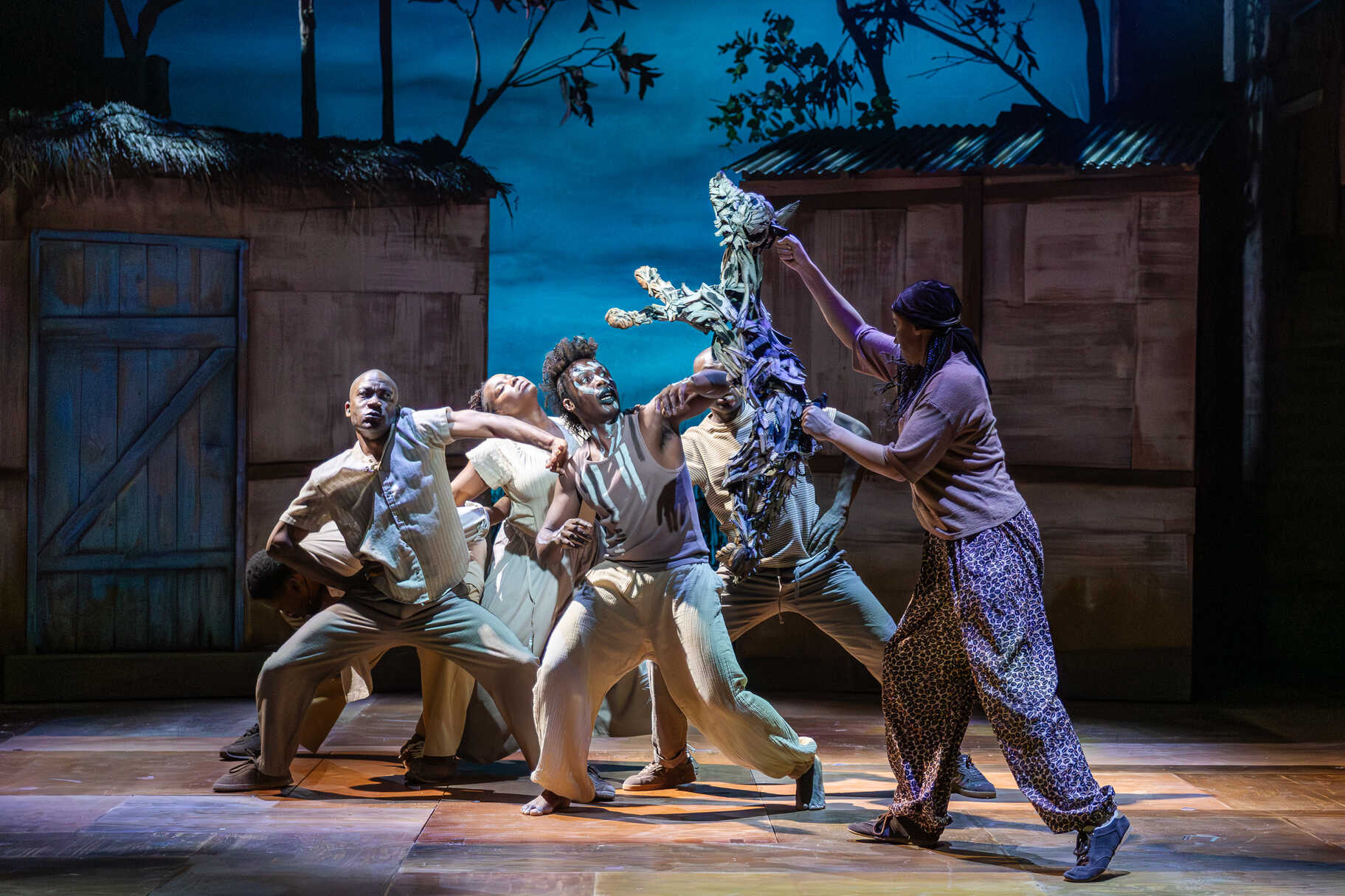

The Boy Who Harnessed The Wind is heading to Soho Place.
Tears in the theatre are a rarity. In The Boy Who Harnessed the Wind, they surface midway – not just onstage, but also among the audience. FACT saw the Royal Shakespeare Company’s production in Stratford-upon-Avon ahead of its transfer to London. Running from 29 April to 18 July at Soho Place, it tells the true story of William Kamkwamba and his efforts to save his village in Malawi. Tip: you may want to pack tissues.
The Royal Shakespeare Company is renowned worldwide for celebrating the works of William Shakespeare. Yet, if you're wondering what's in a name, it is not solely about The Bard. The RSC has firmly established itself through bold new productions, from the multi-award-winning Matilda the Musical to its latest offering, The Boy Who Harnessed the Wind.
The story of William Kamkwamba – a young Malawian boy who saves his village from devastating drought – is deeply moving. As famine takes hold, his family and neighbours face an impossible choice: remain and endure, or leave in search of work elsewhere. The narrative feels especially timely, not least in the context of climate change, which continues to affect farming communities across the globe.
William is an inquisitive schoolboy, but his education is cut short when his family can no longer afford the fees. Undeterred, he finds an unexpected way to rebel: he sneaks into his former school’s library and teaches himself science as well as engineering. From scrap materials, he constructs a wind turbine capable of powering a water pump – an act of ingenuity that transforms his community’s fortunes.
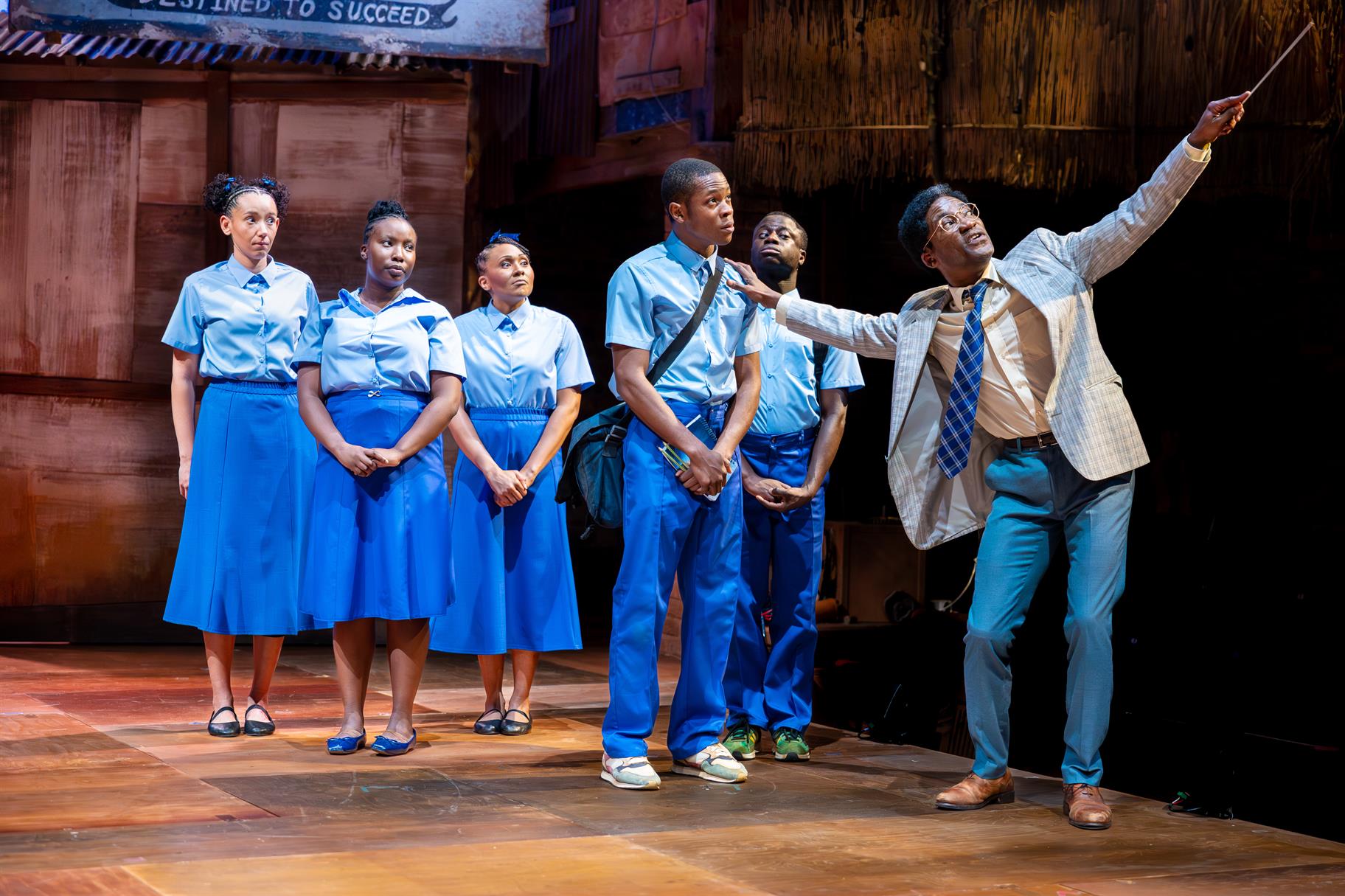
In 2009, William first told his story in his autobiography of the same name. In 2019, the story was adapted into a film, directed by and starring Chiwetel Ejiofor. Now, it has been brought to the stage, reaching a wider audience. The RSC has assembled a diverse cast that vividly captures the spirit of Malawi.
At the heart of the production is the relationship between William and his father, Trywell. Alistair Nwachukwu, a former professional footballer, brings sincerity to the role of William, while Sifiso Mazibuko lends subtlety and strength to Trywell. A special mention must go to Yana Penrose, who makes her RSC debut and demonstrates exceptional puppetry skills as the family’s dog, Khamba.
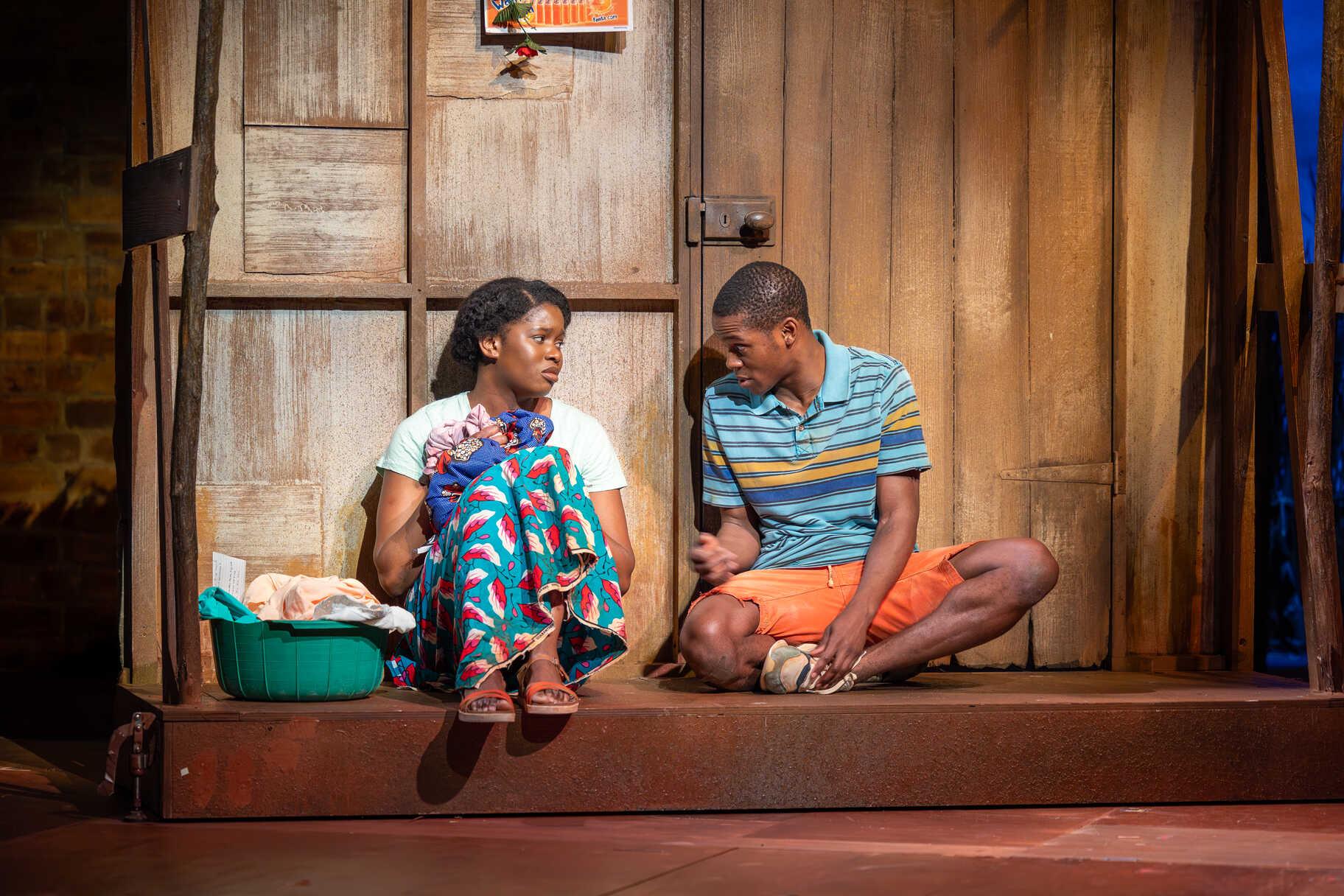
Visually, the production is striking, with live music, vibrant costumes and carefully crafted sets – and, true to its title, the windmill dominates the stage, and is a symbol of harnessing hope. The production company have done well to create this world of old machinery, farmland and serene sunsets.
At times, the play leans more heavily on music and movement rather than dialogue. The first half takes a while to find its rhythm, and the second is far more assured. It takes its time to explore themes of generational tension, familial duty, and the power of the individual versus the collective – but when it does, it is powerful.
Watch. Feel. And, be warned: you may well shed a tear.
Where: 4 Soho Place, Charing Cross Road, London, W1D 3BG
When: 29 April to 18 July 2026
Prices: Tickets from £25
Contact: www.rsc.org.uk