



A new programme of film, installations, exhibitions and research explores the layered history and enduring connection to Islamic art at Leighton House.
Tucked away on a residential street in Holland Park, Leighton House was once the home and studio of pioneering Victorian artist Lord Frederic Leighton. Open from Wednesday to Monday, 10am to 5.30pm, the house now serves as both a museum and a time capsule, offering visitors a deeper understanding of Leighton’s rich life and career.
To mark its centenary, Leighton House has unveiled a new artistic programme titled The Arab Hall: Past and Present, running from 21 March to 4 October 2026. For the first time, the initiative places the spotlight solely on its intricate Arab Hall through a specially commissioned short film, three art installations, an exhibition and a publication featuring new research.
A peaceful oasis amid the chaos of the city, this West London landmark is a multidisciplinary cultural hub. Blink and you might miss it, as it blends into a row of Victorian brick townhouses. Step inside, however, and you are transported to another world. Leighton invested significant time, effort and money into creating the house, shaping the beautiful cultural institution visitors can explore today.
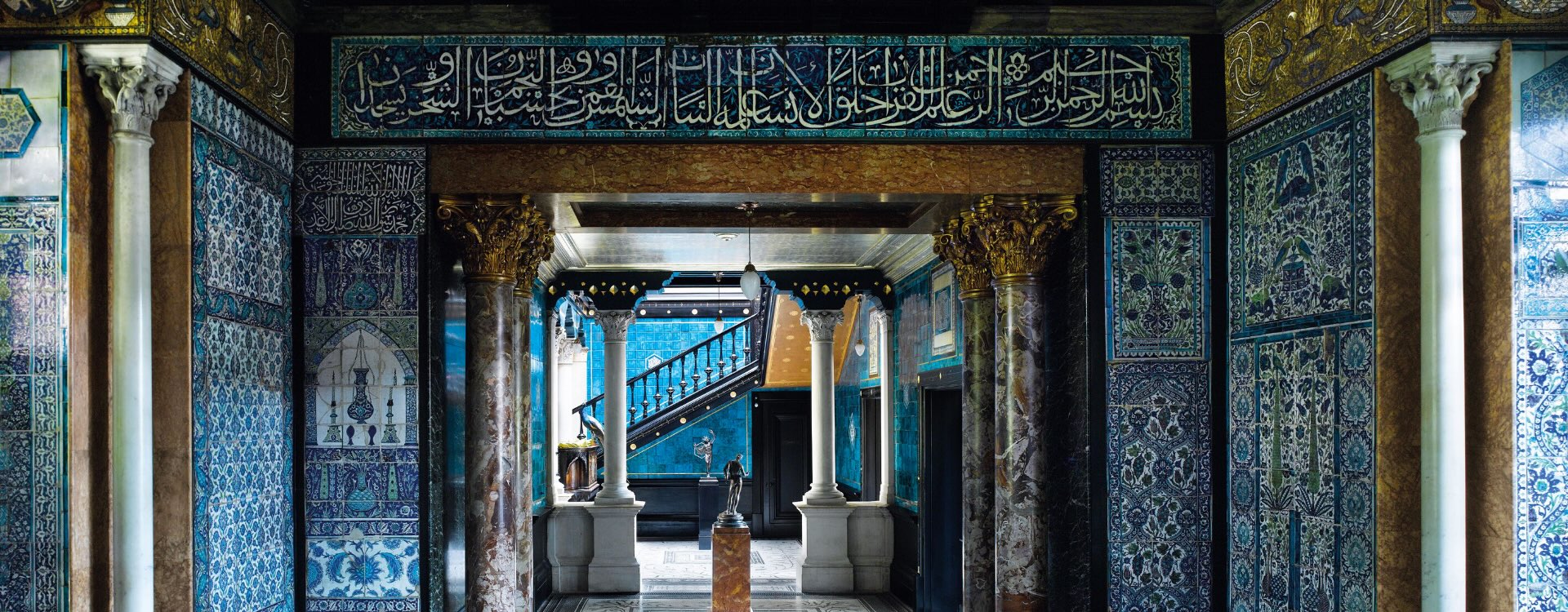
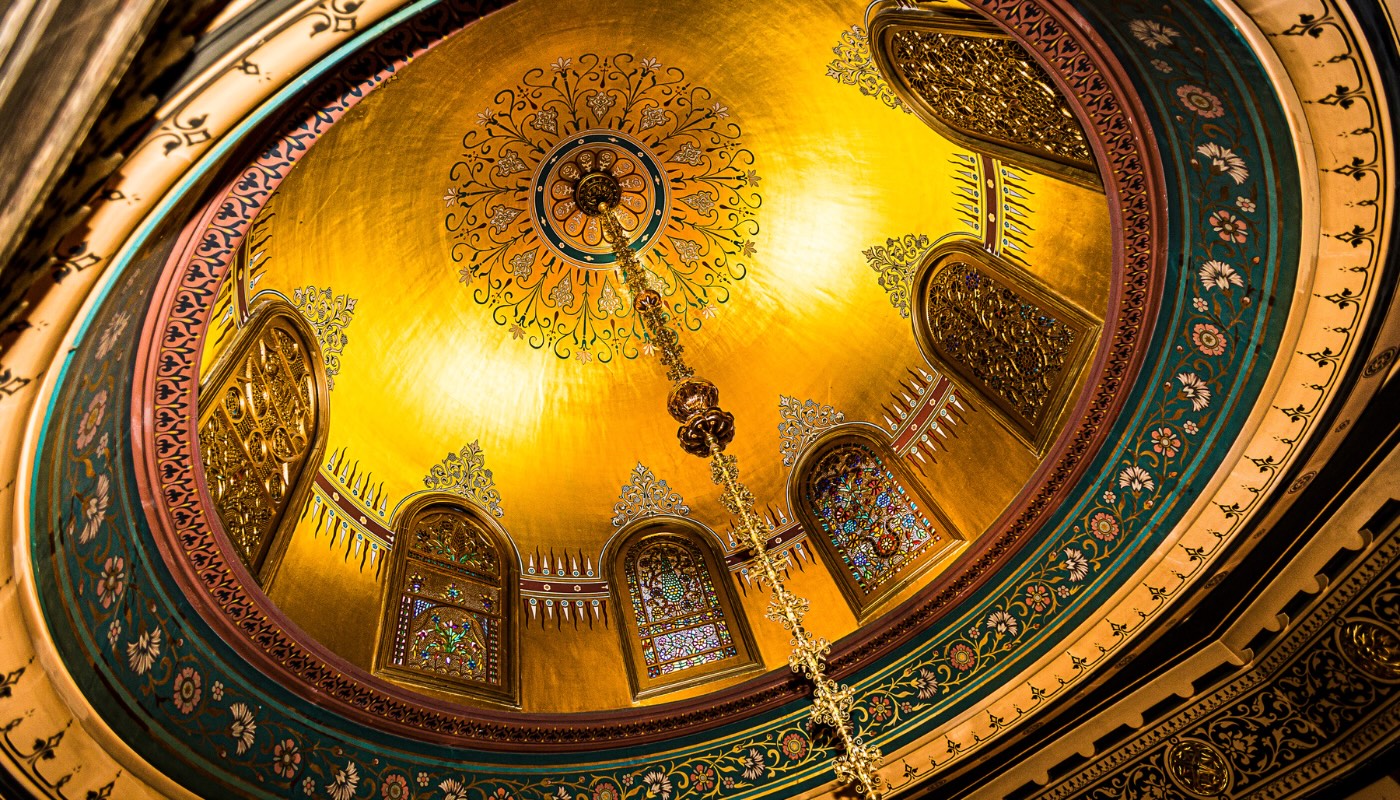
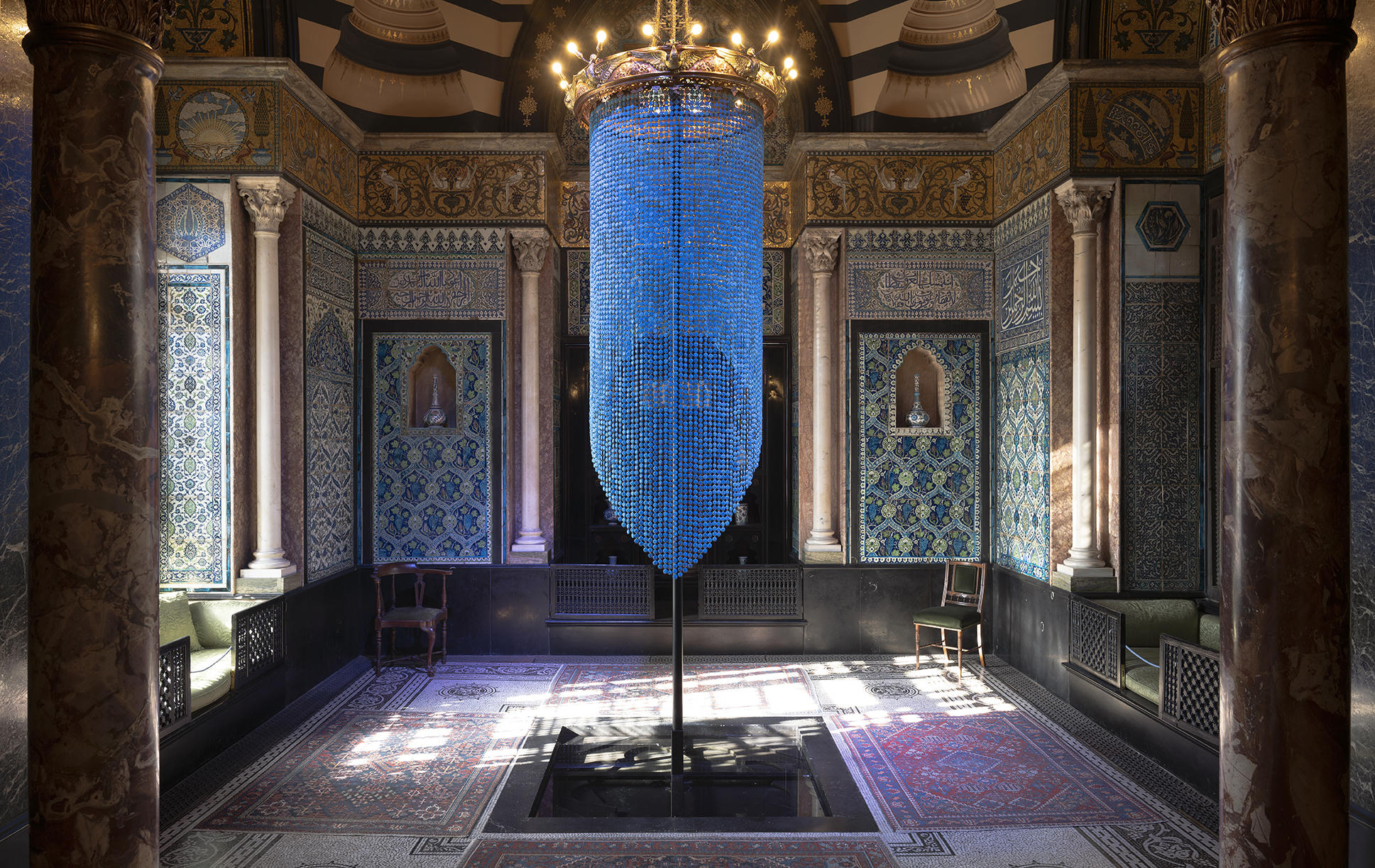
At the heart of the home is The Arab Hall, which Leighton once described as “something beautiful to look at once in a while”. Hidden at the back of the house on the ground floor, the room features a domed ceiling, marble columns and walls adorned with antique tiles from Damascus, Istanbul and Iran. While its design was partly inspired by the 12th-century palace La Zisa in Palermo, it was Leighton’s travels across the Arab world and the Mediterranean that most strongly informed its creation.
The room was unusual for its time, particularly because its architecture drew so heavily on Islamic art, craftsmanship and tradition. In many ways, Leighton was ahead of his time, looking beyond Eurocentric interior design in search of inspiration.
Now, on the occasion of its 100th anniversary, The Arab Hall continues to offer a space for quiet contemplation, cultural exchange and creativity. In the current climate, Leighton House is inviting visitors and artists alike to engage with broader questions and deeper conversations through a series of anniversary commissions.
The programme begins with a commissioned short film by award-winning Syrian filmmaker Soudade Kaadan, titled When the Tiles Spoke. The film imagines the Hall’s tiles coming to life to narrate their journeys from 16th-century Damascus to London. It features the voices of Khalid Abdalla, Souad Faress and Leem Lubany, and is on display in the Verey Exhibition Gallery.
A series of contemporary, site-specific installations will follow, created by artists Ramzi Mallat, Kamilah Ahmed and Soraya Syed. Lebanese multidisciplinary artist Mallat opens the programme with Atlas of An Entangled Gaze, running from 21 March to 14 May. Made from more than 7,500 blue ceramic discs depicting the Syriac evil eye, the installation was inspired by the form of medieval Ottoman helmets. Mallat’s work reflects on the movement of objects and symbols from the Arab world to the West, while inviting a more critical and nuanced reading of cultural exchange.
Next, Facets in Resonance by Kamilah Ahmed will run from 15 May to 30 July. The mixed-media embroidered textile arch, suspended above the fountain in the Hall, honours traditional decorative arts including Damascene tiles, Iznik patterns, stained glass, gold mosaics, divan marquetry and mashrabiya screens.
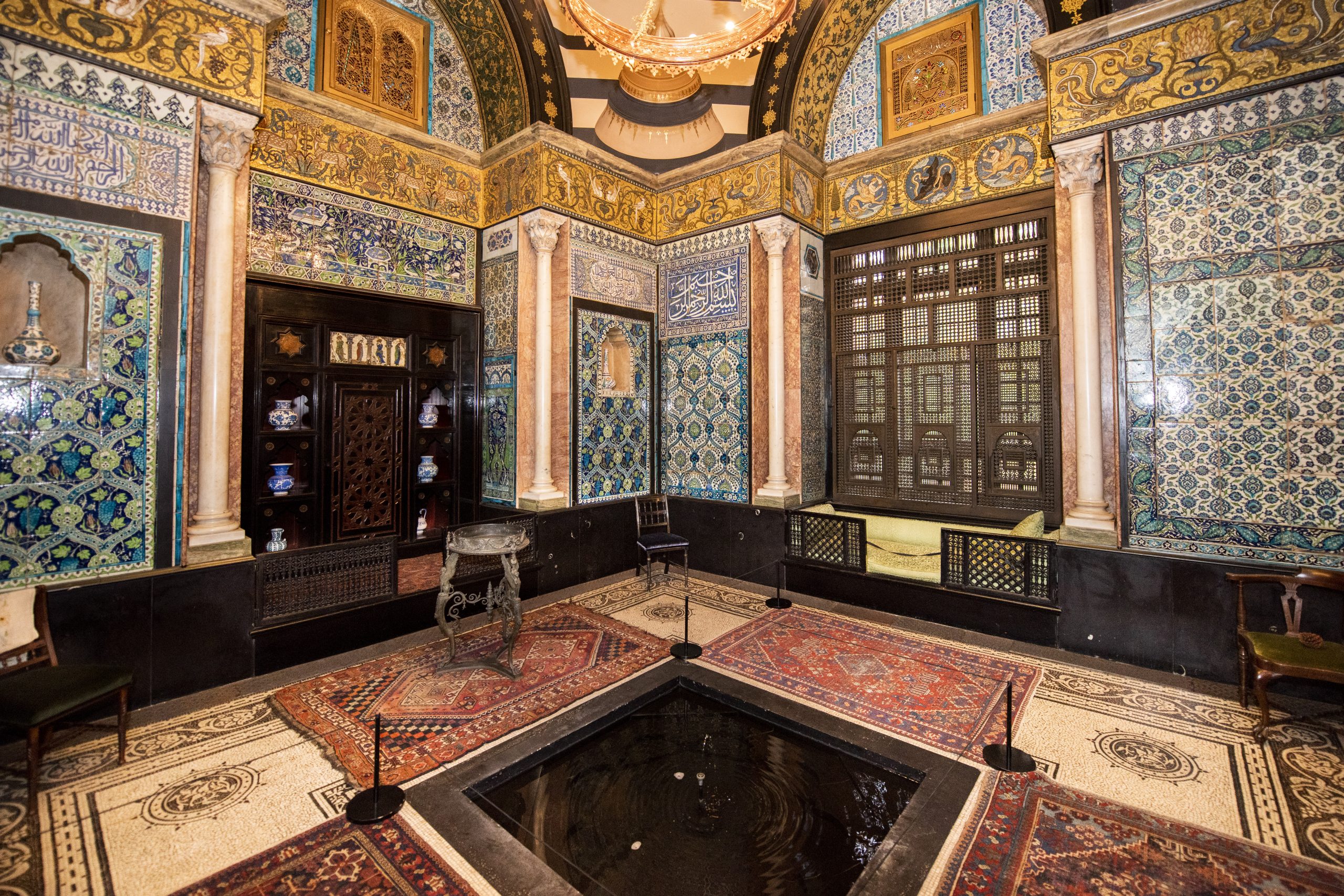
The final installation, From Water, Every Living Thing by calligrapher and artist Soraya Syed, will run from 31 July to 4 October. Focusing on the fountain at the centre of the Hall, the work uses animated calligraphy projected onto the water’s surface, encouraging visitors to experience the room as a living space filled with stories.
A free exhibition in the Tavolozza Drawings Gallery explores the origins of the Arab Hall, tracing its influences, collaborations and craftsmanship. It includes original designs by architect George Aitchison, ceramicist William De Morgan and illustrator Walter Crane, alongside Leighton’s own works and ceramics, offering further insight into the creative forces behind the space.
The exhibition is accompanied by new research from Dr Melanie Gibson, presented in the publication The Arab Hall, Frederic Leighton: Traveller and Collector. Gibson examines Leighton’s decade-long travels across southern Spain, Turkey, Egypt, Syria and Sicily, and how those journeys shaped his appreciation of Islamic art and, in turn, the design of The Arab Hall.
The Arab Hall remains a fluid space, steeped in history yet continually reinterpreted by contemporary voices. It invites visitors to reflect on questions of ownership, authority and changing narratives. Whether you are seeking quiet contemplation or feel drawn to the colours, patterns and artistry of the Arab world, The Arab Hall at Leighton House offers a compelling place to begin.
Where: The Arab Hall, Leighton House, 12 Holland Park Road, London, W14 8LZ
When: 21 March to 4 October 2026, Wednesday to Monday from 10am to 5.30pm
Price: £14 for adults and £6 for children (aged six to 18 years)
Contact: Visit www.rbkc.gov.uk for more information.