



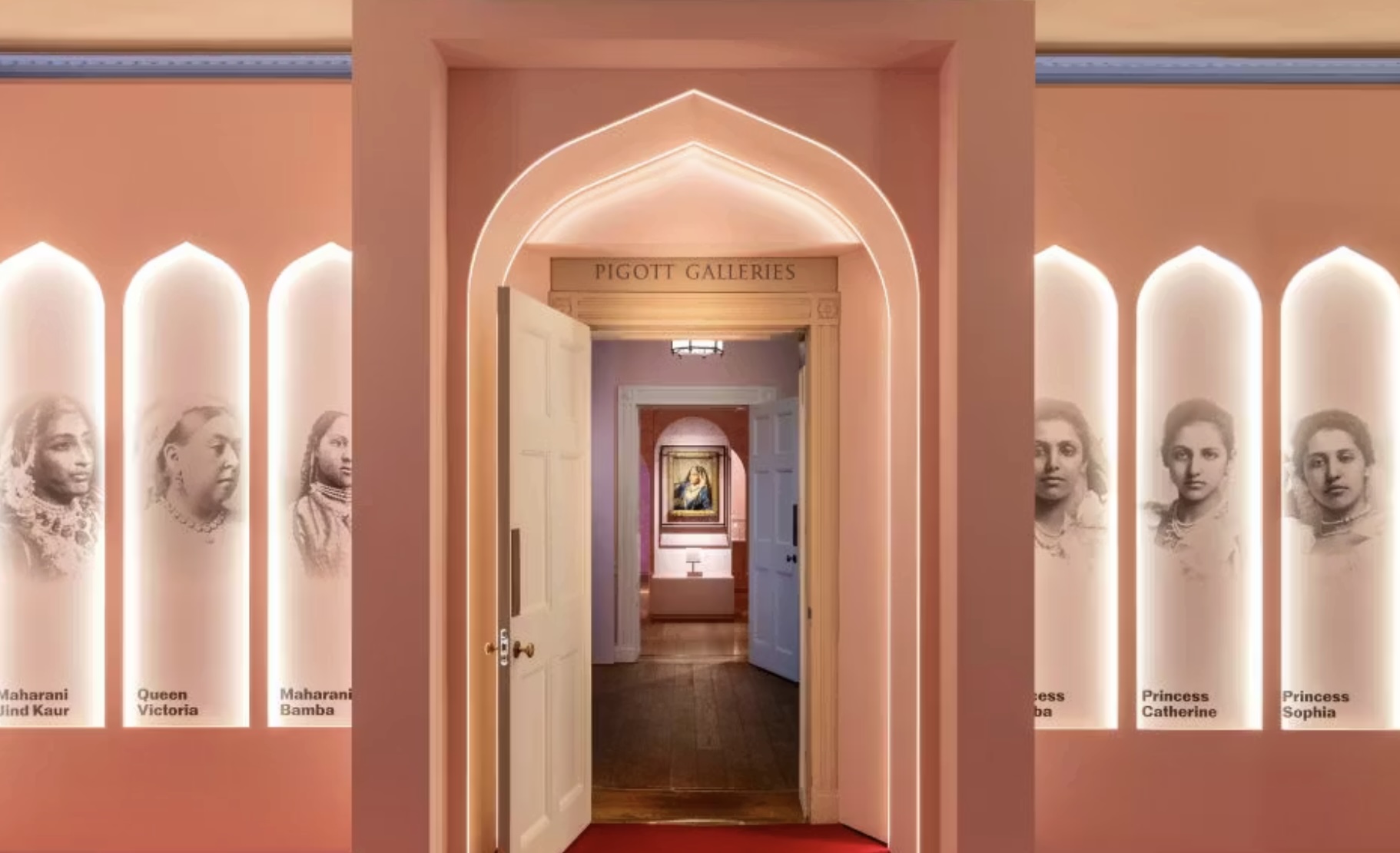

Discover the untold stories of Queen Victoria’s goddaughters in The Last Princesses of Punjab.
The story of Queen Victoria and Maharajah Duleep Singh has been told time and again. The story of his daughters, however, has rarely been shared – until now. The Last Princesses of Punjab at Kensington Palace runs from 26 March to 8 November 2026, and offers a thoughtful look at the women history (almost) forgot.
Duleep Singh is famous for his unexpected relationship with Queen Victoria. When he was just five years old, he became the last Sikh Maharajah of the Punjab. He later surrendered his lands to the East India Company and the Koh-i-Noor diamond to the British Royal Family. Long before immigration became a politically charged topic, he moved to the United Kingdom, mixed with the aristocracy, and raised a family.
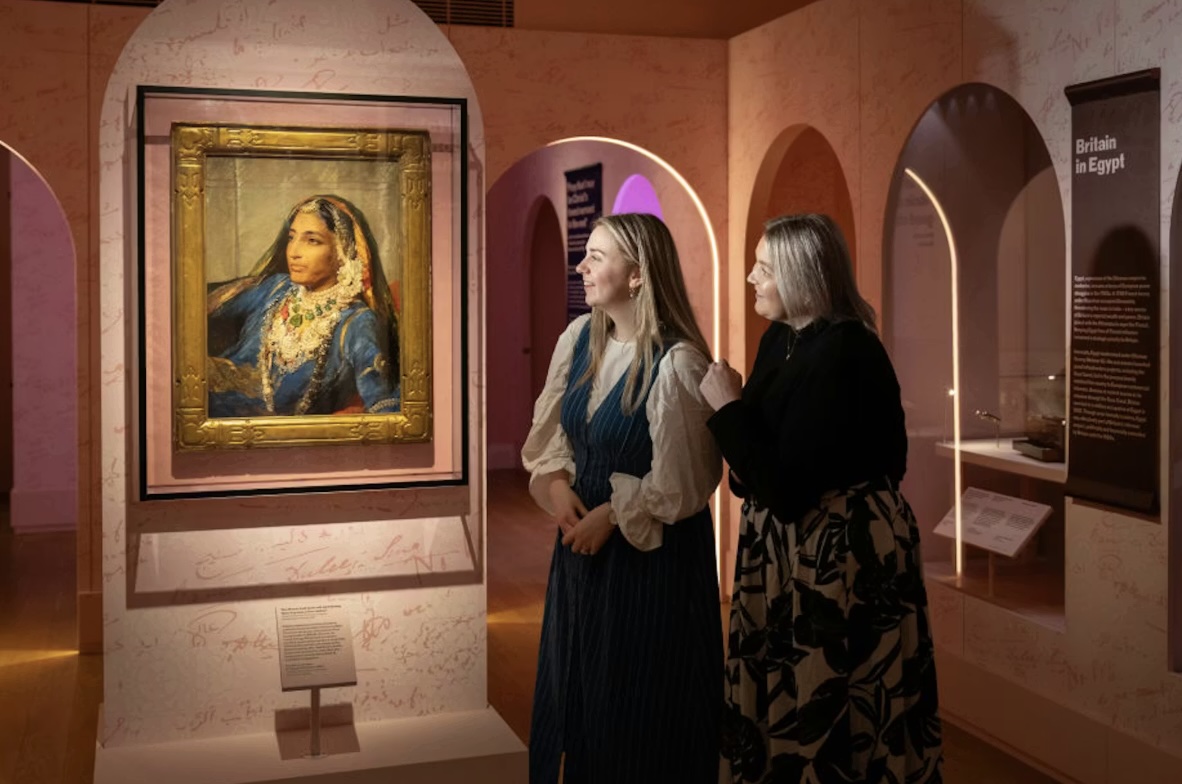
Letters, jewellery, and textiles trace the family's personal yet painful journey, especially after their father’s exile from Punjab. Polly Putnam, Curator of The Last Princesses of Punjab, said: “This exhibition reveals a story of courage, identity and resistance, told through the lives of extraordinary women. Presenting it within Kensington Palace, where Queen Victoria spent her childhood, gives us a rare opportunity to reflect on their intertwined histories, and to present objects that speak to both a global story and the personal stories of these women.”
Power and politics
Women are at the heart of The Last Princesses of Punjab: grandmother Maharani Jind Kaur; sisters Bamba, Catherine and Sophia; their mother, Bamba; and their godmother, Queen Victoria. When we hear stories of feminism and women’s rights, they often overlook women of colour – here, that’s not the case.
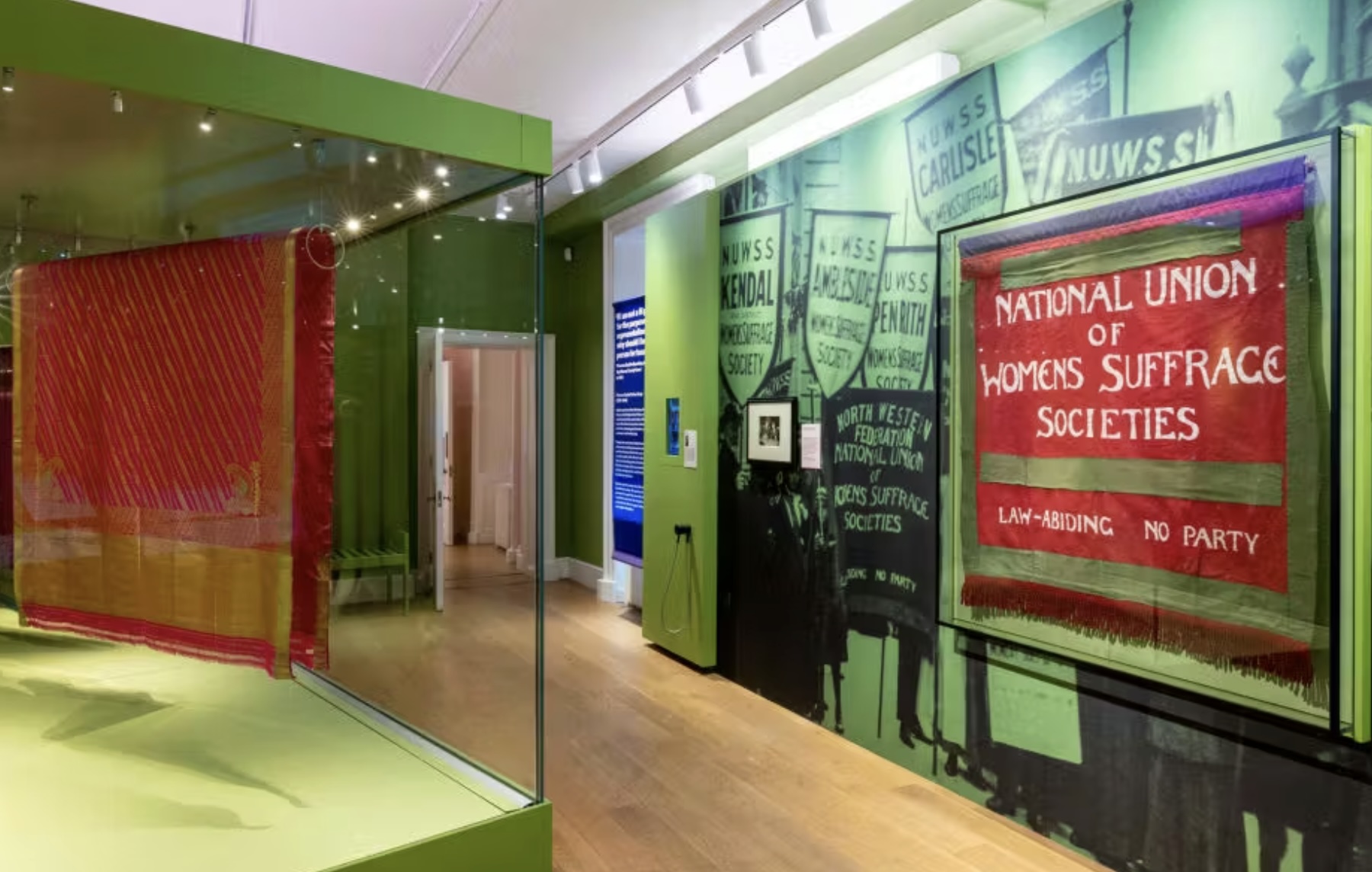
“If I am not a fit person for the purposes of representation, why should I be a fit person for taxation?” reads one quote from Princess Sophia. A copy of The Suffragette newspaper also shows her selling papers outside Hampton Court Palace. Princess Sophia even petitioned Prime Minister Asquith in person at Downing Street, brandishing a “Give Women the Vote” banner.
In November 1910, on what is now known as Black Friday, she was among more than 200 suffragettes who marched from Caxton Hall to Parliament Square, demanding to see the Prime Minister. During the protest, many women were physically and sexually assaulted by police.
A tale of two kingdoms
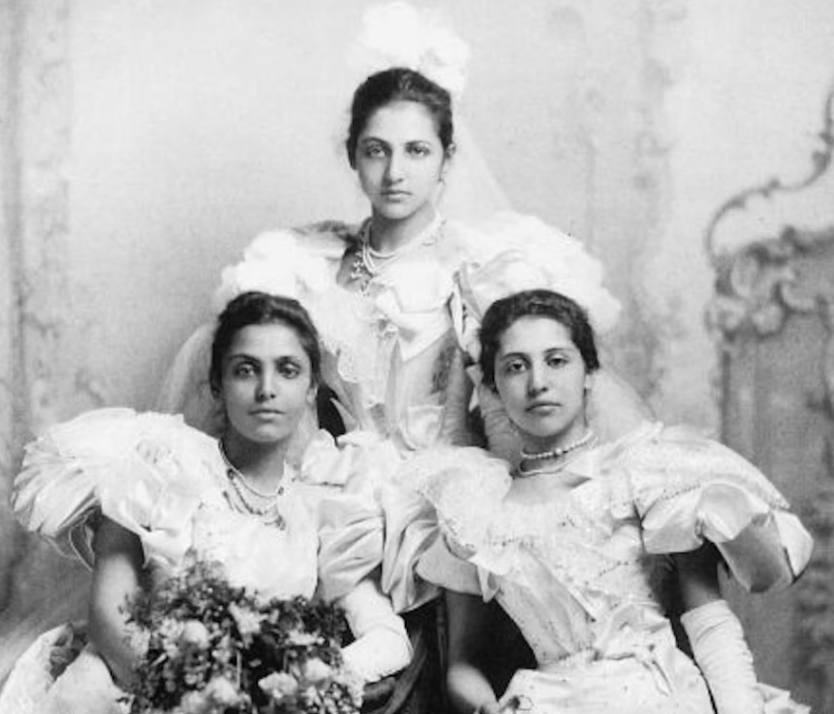
The early images tell a story of dual identity: British aristocrats and Punjabi royalty, all at once. Princess Bamba has a letter on display written in multiple languages, while Princess Catherine is shown studying at Oxford University. In black-and-white photographs, she stands out in a shalwar kameez among students dressed in Western clothes.
Princess Catherine goes on to become one of the most radical figures – the kind of person who would be the subject of a film. Not only did she help Jewish families flee Nazi Germany, but she also lived with her partner, Lina Schäfer, at a time when same-sex relationships were illegal.
Curiosity and curation
On our visit, the exhibition attracted a diverse audience of all ages. Spanning several rooms, the exhibition was carefully curated, but at times it feels restricted by the small spaces. One caption about Princess Sophia read: “Princess Sophia employed many staff at Faraday House. Some staff recall [her] as being haughty; one employee called her ‘a bad-tempered old bat’. Others remember her kindness.” While many captions aim for balance, one wonders whether such a comment would be included in an exhibition about Queen Victoria herself or other members of the British Royal Family.
Set within Kensington Palace, Queen Victoria’s childhood home, the exhibition carries an added sense of intimacy as well as grandeur. Tickets also allow visitors to explore the State Rooms, learn about her life as a royal, and reflect on the current royal residents, the Prince and Princess of Wales. And, when combined with the current exhibition, it offers a chance to consider the role of the British Royal Family and their impact both at home and away.
Where: Kensington Palace, Kensington Gardens, London W8 4PX
When: 26 March to 8 November 2026
Price: £24.70 for adults and £12.40 for children (aged 5 to 17 years)
Contact: Visit www.hrp.org.uk for more information.