




Theatre Picasso showcases drama and dreams.
The crowd is laughing. It’s not a sound you usually hear at an exhibition, but Theatre Picasso is bringing Pablo Picasso’s art to life in a special way. Running until 12 April 2026 at Tate Modern, one video installation shows the artist creating childlike sketches that transform from one unexpected thing into another. The exhibition invites visitors to step into a dramatic, dreamlike world – where creativity and spontaneity are very much alive.
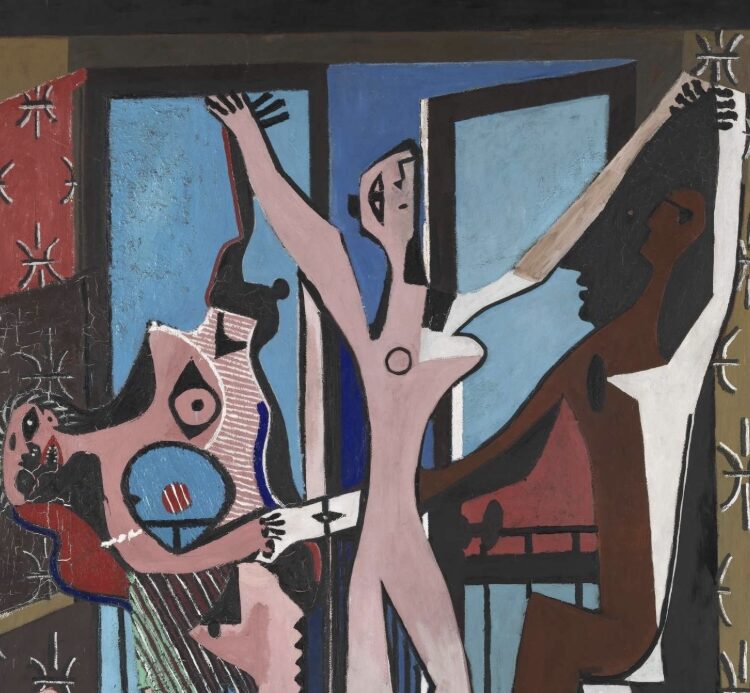
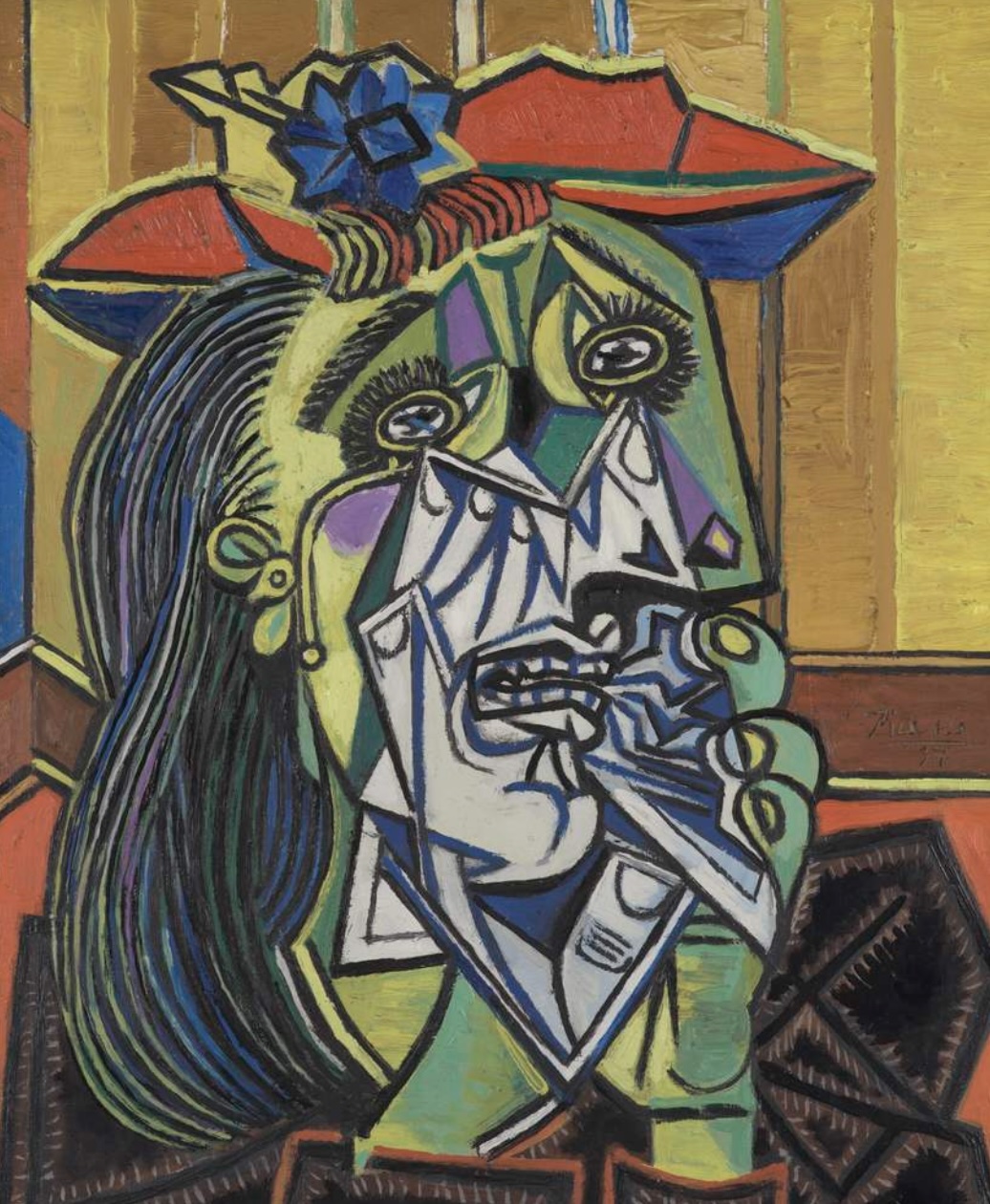
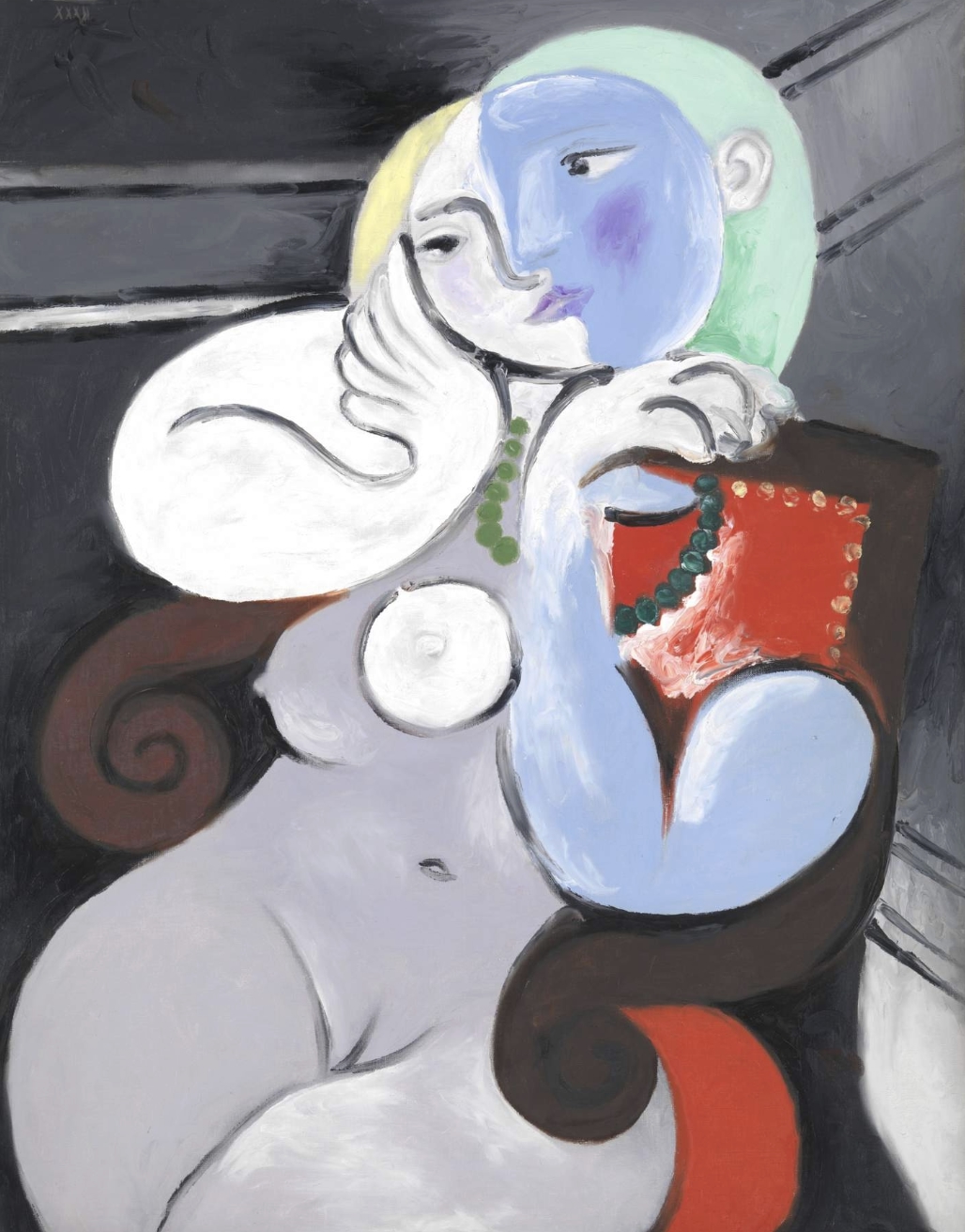
Exploring the artist’s lifelong fascination with performance, movement and emotion, Theatre Picasso brings together his iconic works alongside pieces from the gallery’s permanent collection, including Nude Woman in a Red Armchair, Three Dancers and Weeping Woman. Together, they reveal Picasso’s flair for capturing the drama of life – not just on the canvas, but in spirit. Here are five things FACT loves about Theatre Picasso.
The Mystery of Picasso
At the heart of Theatre Picasso is Henri-Georges Clouzot’s 1956 film The Mystery of Picasso. It’s rare to watch an artist at work in their studio, especially creating pieces in real time. Grab a seat – if you can – as this is the most popular part of the exhibition. Here, you can watch as he throws his body into the act of painting – once again bringing to life the theatrical element of his work.
Weeping Woman
Picasso’s Weeping Woman (1937) powerfully expresses raw emotion. Jagged tears and fragmented colours convey the anguish of loss and suffering that marked the Spanish Civil War. In the same year, he created his magnum opus, Guernica. This work focuses on a female figure who is broken yet pieced back together through art. He transforms private sorrow into a public symbol of pain.
Three Dancers
Three Dancers (1925) has long been my favourite piece in Tate Modern’s permanent collection. This is one of those works of art that you have to see up close – and at Theatre Picasso, you can. Its sheer scale makes you want to take a step back and absorb the theatrical composition. The figures twist and turn – one elongated limb here, another angular form there. Drawing inspiration from a love triangle, it is filled with passion and power. It’s a reminder that while a canvas may appear still, movement comes alive within it.
Nude Woman in a Red Armchair
It’s a rite of passage for artists to paint the nude form, and Picasso had his own take with Nude Woman in a Red Armchair (1932). The soft curves and rich red tones create a sensual celebration of the female body. The painting depicts Picasso’s muse, Marie-Thérèse Walter. Blending abstract and realism, it may not capture her physical likeness exactly, but it conveys the depth of his devotion.
Desire Caught by the Tail
The theatrical theme is literally brought to life through Picasso’s work in the performing arts. He had a close working relationship with Sergei Diaghilev’s Ballets Russes company, designing costumes and sets, and even writing and directing his own play, Desire Caught by the Tail. The exhibition offers a chance to see rarely viewed stage designs that play with the idea of illusion.
GO: Visit www.tate.org.uk for more information.